
What to evaluate
Matrix screening should begin with the role the material must perform in the proposed array. A team may need to compare handling, formation, ingredient recovery or behavior under an agreed moisture-related assessment. These questions should be stated before choosing candidate materials. A clear-looking dried sample is only one observation and does not establish overall suitability.
Planning the next decision
Use a comparison plan that identifies blank matrices and ingredient-containing candidates. Record composition version, processing history and sample condition so the results can be attributed to the intended change. Avoid changing geometry, package and formula simultaneously unless the experiment is expressly designed to compare complete systems. A small, well-described comparison can reveal more than a broad selection of untraceable samples.
Build a useful project brief
The screening record should connect each observation to a decision. For example, identify which candidate warrants additional analytical work and which shows a defect that needs investigation. Describe the evidence needed to distinguish an ingredient-related change from a matrix or handling issue. Keep failed candidates in the development record with their observed limitations. This supports a reasoned selection and reduces the chance of repeating the same problem during later scale work. Any chosen matrix remains subject to the finished-product assessment appropriate to its intended market.
Screen the states a formulation actually passes through
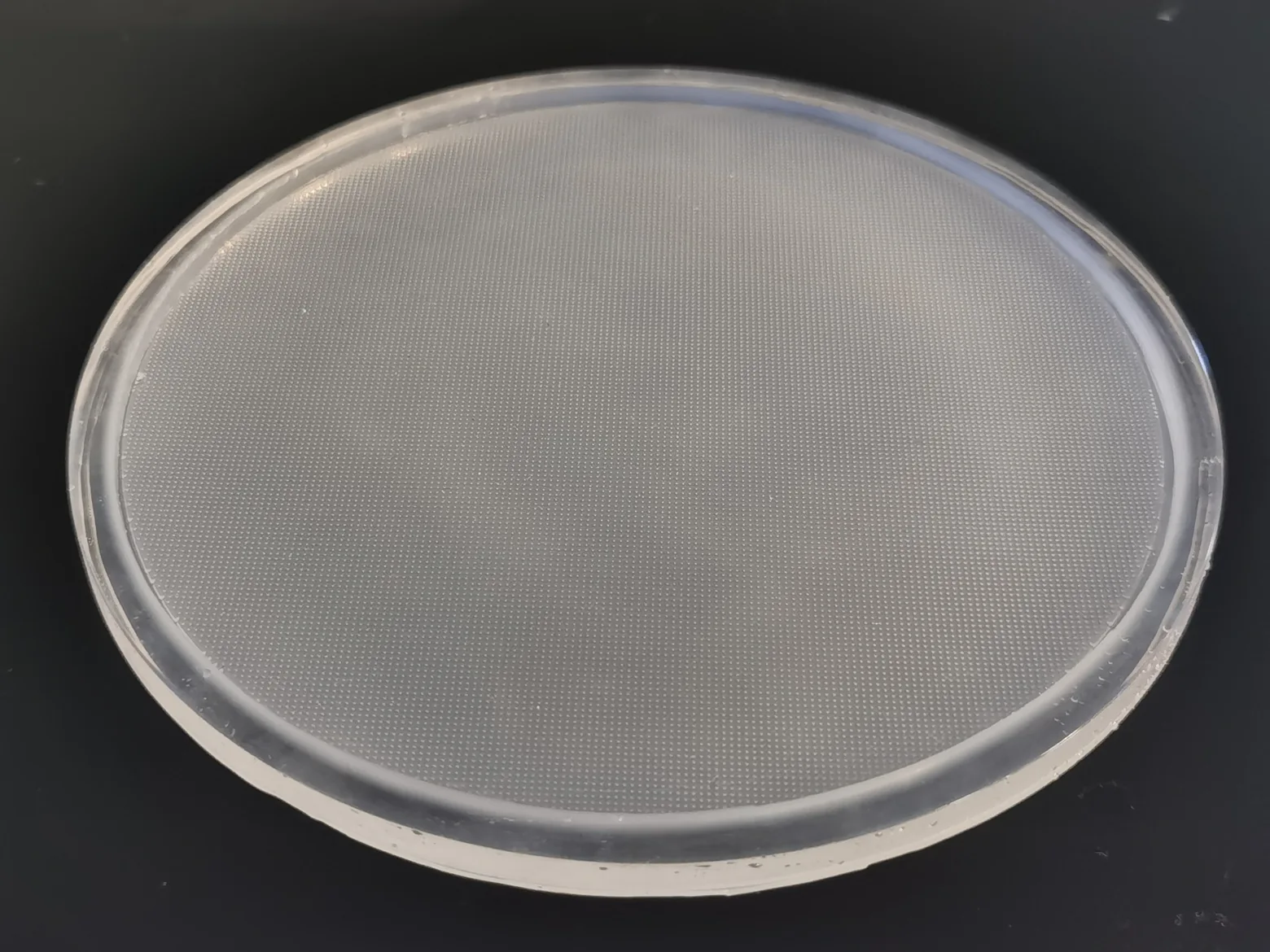
A matrix screening programme can examine the mixture before casting, the formed array after drying and the packaged specimen after an appropriate interval. Each stage can reveal a different problem. A visually uniform liquid may produce an uneven dry structure, while an intact fresh array may change after moisture exposure. Screening should therefore identify the state being observed and the question it answers. Useful observations can include visible separation, consistency of filling, array integrity and recoverable component content. No single observation establishes overall compatibility. Results from the different stages need to be interpreted together. A polymer name alone does not guarantee successful incorporation of every peptide or preservation of the intended physical construction.
Change one question at a time where practical
An illustrative comparison between two matrix candidates should state which other factors were held comparable and which could not be matched. If both matrix composition and drying history change, a difference in the final array cannot be assigned confidently to one factor alone. Early screening can still be useful, but the conclusion should be framed accordingly. A comparison table can record the formulation identifier, specimen state, observation and unresolved explanation. This avoids selecting a candidate solely because it produced the most attractive first photograph. A later confirmation stage should examine the preferred candidate with the intended backing and package, because an acceptable stand-alone array may behave differently when assembled into the final construction.