
What to evaluate
Guangzhou Celsentra Biotechnology is the contact company for the formulation inquiries described here. For a cosmetic peptide microneedle project, organise the ingredient, matrix, analytical and packaging information before discussing the development scope with the technical team. The response should clarify available services, proposed collaborators where relevant and the responsibilities attached to any offered work.
Planning the next decision
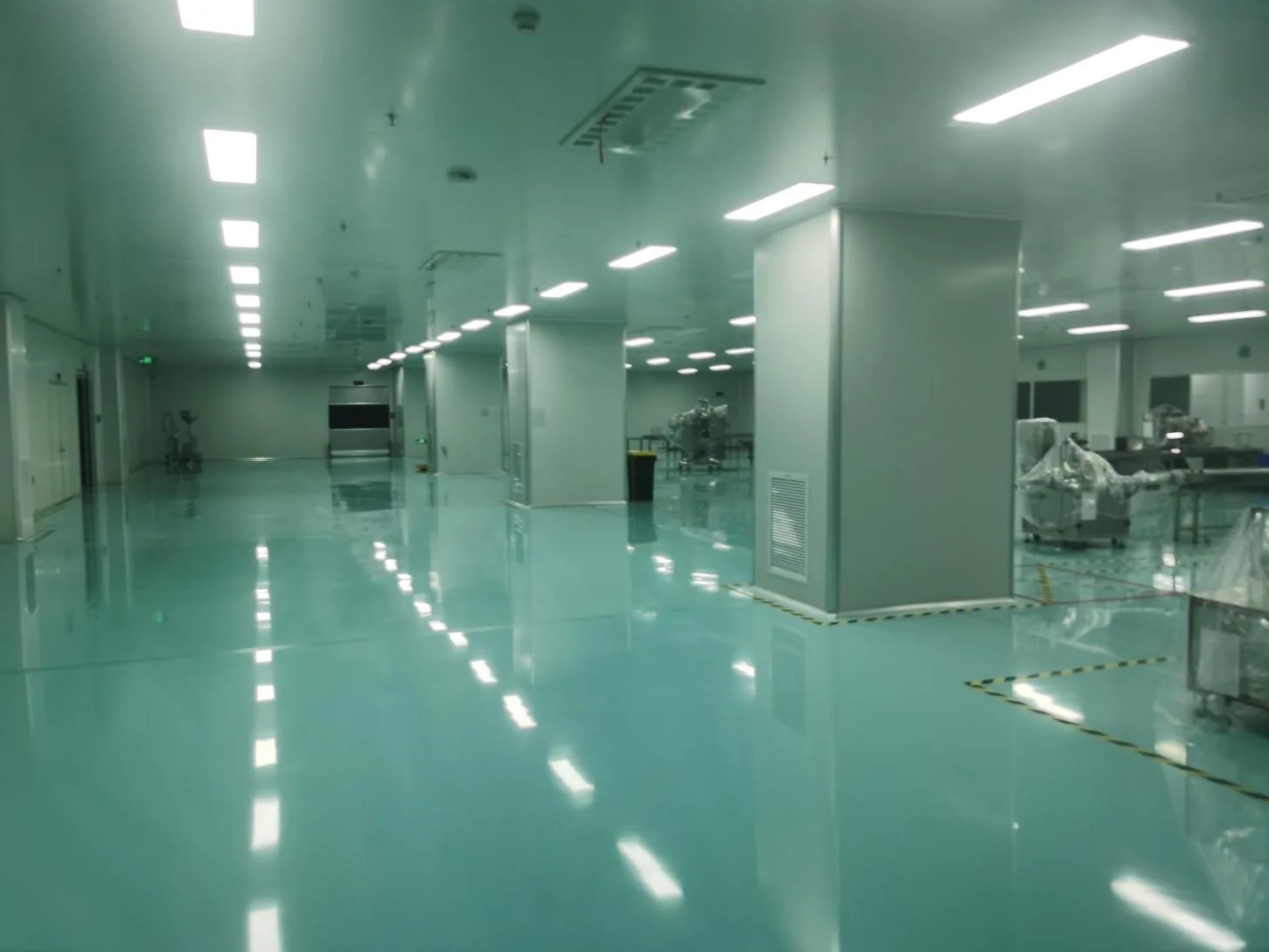
Ask for capability evidence that matches the specific task, rather than relying on broad laboratory or factory images. Company information, a development proposal and a finished-product report serve different purposes. A named project contact can help keep the communication and sample revisions aligned. Send an initial brief to contact@celsentrabiotech.com, including your intended market, ingredient direction and immediate technical question, so a relevant scope can be discussed.
Show how formulation questions reach the appropriate discipline
A peptide-matrix project may require input from formulation, analytical, packaging and quality specialists. Confirm which technical function will review the question. Formulation, analytical, packaging and quality questions may require different expertise and different records. A buyer asking about low analytical recovery needs a different technical discussion from a buyer asking about tray protection. A responsibility map can identify who reviews the question, who generates the relevant record and who approves a change. Where external laboratories or partners are involved, their role should be described accurately when disclosure is authorised. Confirm whether a specialised method is performed internally or by a project partner; a broad capability statement does not establish the location or scope of each activity.
Use evidence examples that retain their identity
An anonymised report example can help buyers understand the structure of a technical deliverable, but it should not remove so much context that its meaning changes. The example should identify whether it is a template or a redacted real record, explain the sample type and retain the method scope where possible. A chromatogram without a sample identity or explanation can create a misleading impression of proof. The same applies to instrument photographs and laboratory footage. They may illustrate a working environment but do not establish the result for a proposed formulation. Request the documents relevant to your supplier or project review and confirm their scope, sample identity and disclosure status before relying on them.