
Ingredients
Peptide Identity and Raw Material Documents. Review specifications, development questions and supporting documents before requesting a project review.
Prepare the ingredient identity, sample comparison and analytical brief for a cosmetic peptide patch development review. Record scope, responsibilities and formulation changes.
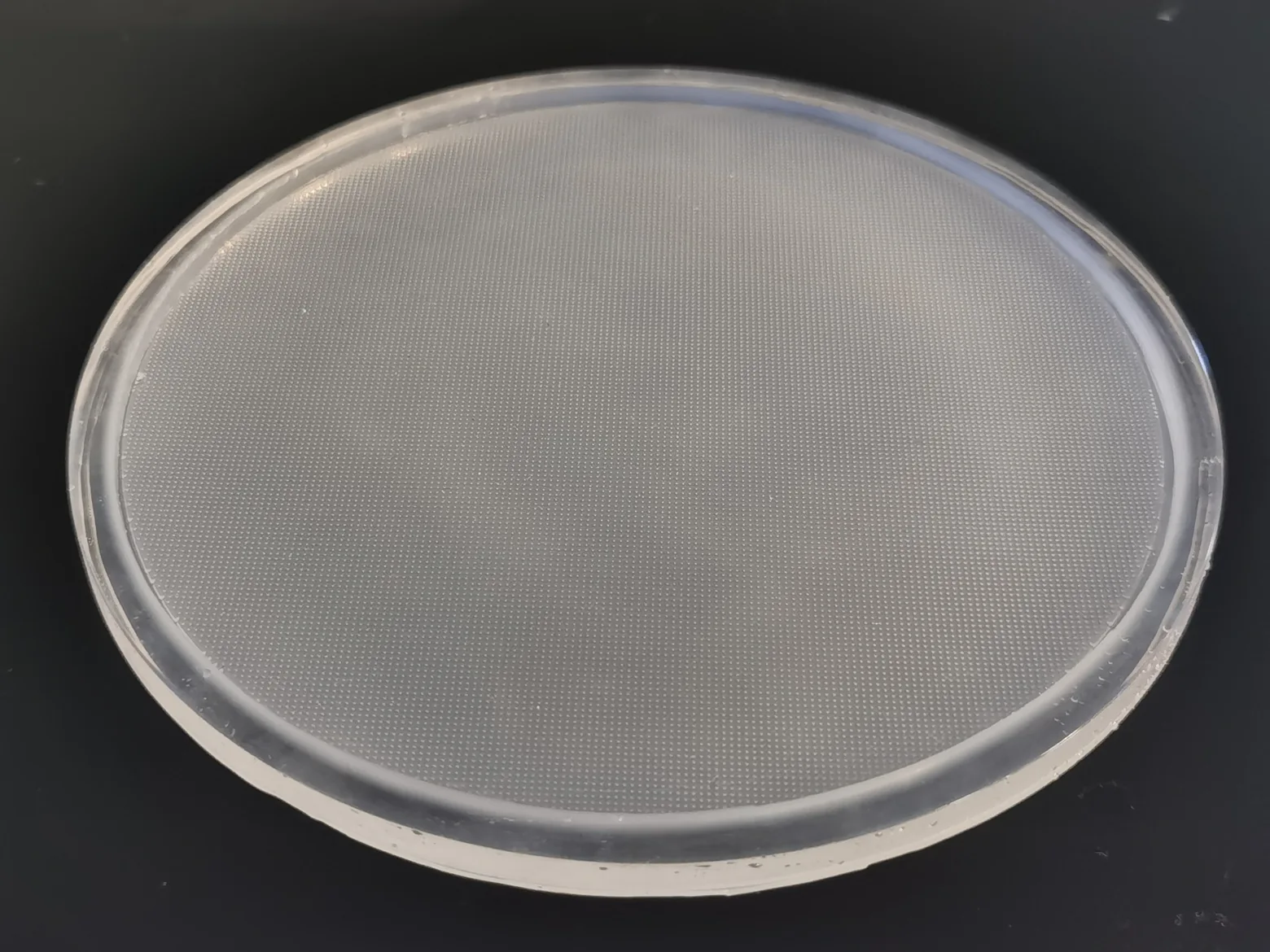
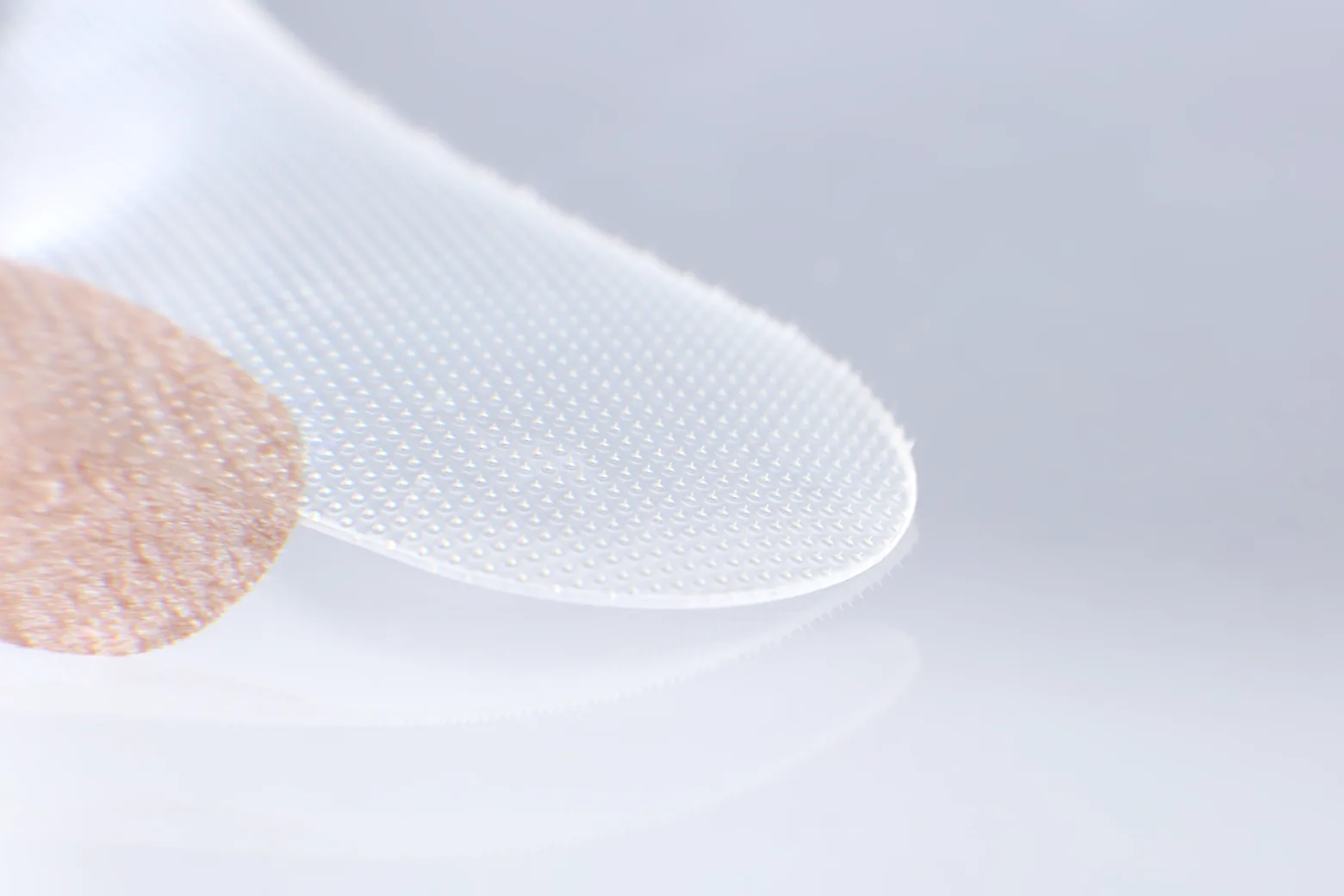
Request common cosmetic ingredients or propose your own blend. Review the ingredient identity, intended use, backing and sample presentation with our team.
Peptide Identity and Raw Material Documents. Review specifications, development questions and supporting documents before requesting a project review.
Matrix Selection for Cosmetic Peptide Arrays. Review specifications, development questions and supporting documents before requesting a project review.
Analytical Planning for Peptide Patch Development. Review specifications, development questions and supporting documents before requesting a project review.
Managing Formula Revisions. Review specifications, development questions and supporting documents before requesting a project review.

Custom Peptide Patch is a business website of Guangzhou Celsentra Biotechnology Co., Ltd.
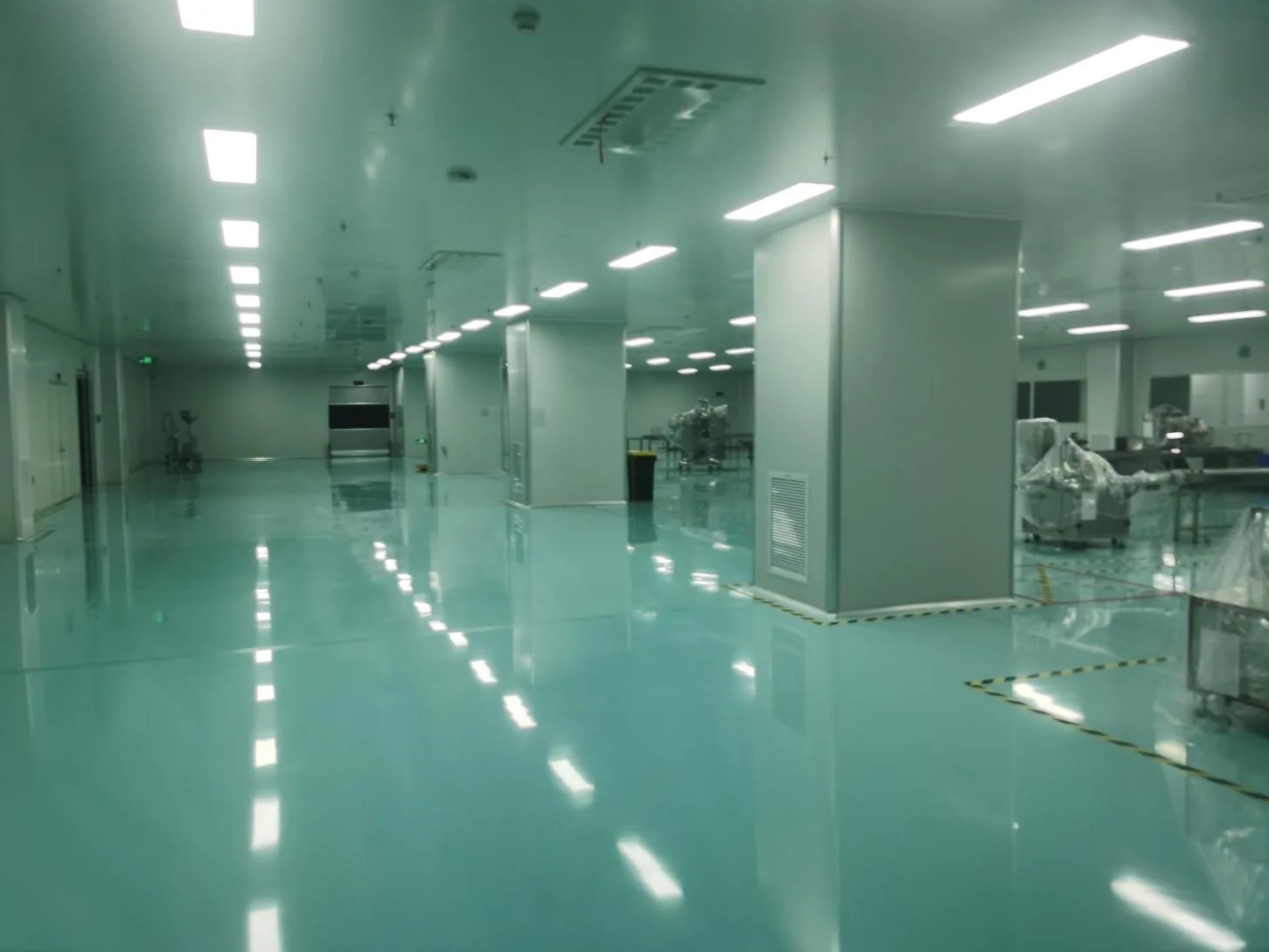
No. 76 Fucong Road, Conghua District, Guangzhou, Guangdong, ChinaWorkshop area and equipment count are company-reported figures. Confirm the equipment and schedule for your specific project.
Use one agreed set of sample identifiers and comparison questions at each review.
Peptide Identity and Raw Material Documents. Review specifications, development questions and supporting documents before requesting a project review.
Blank and Loaded Patch Comparisons. Review specifications, development questions and supporting documents before requesting a project review.
Managing Formula Revisions. Review specifications, development questions and supporting documents before requesting a project review.
Explore peptide matrix compatibility study with a practical development framework, measurable specifications and evidence boundaries for B2B project planning.
Reconcile peptide trade names, supplier records and market-specific ingredient names before approving a label or product listing.
Record how an ingredient statement or finished cosmetic claim connects to the actual product, evidence source and destination market.
Set up a practical share list for a cosmetic peptide project, from a quotable public brief to the materials provided under confidentiality.
Assign each cosmetic formulation prototype a sample ID that connects the review, reference documentation and handoff without exposing confidential details.
A cosmetic peptide microneedle formulation is a defined material system, not simply a peptide added to a familiar patch shape. Ingredient identity, matrix composition, ingredient distribution and the finished package all belong in the development brief. Start with the intended cosmetic purpose and a list of essential constraints before selecting ingredients from a catalog. A clear brief helps distinguish a feasible first investigation from an unsupported finished-product promise.
This site focuses on formulation questions for Celsentra project inquiries. Buyers can explore ingredient records, matrix selection, blank controls, analytical planning and stability considerations. Bring the information already available, including supplier documents and any previous sample observations. If the formula is confidential, arrange an appropriate exchange before sharing detailed files. The first response should clarify the proposed assessment and identify unresolved technical questions.
Define what a successful feasibility stage would establish. It might be the ability to make a representative sample, recover an ingredient with a suitable analytical method or compare candidate matrices under agreed observations. These outcomes are different from proving a consumer benefit. Keep the proposed claim, technical study and commercial decision in separate fields. A project plan should identify who supplies the reference material, who evaluates the sample and how revisions are recorded. This creates a traceable progression from ingredient idea to evidence-based product decisions.
A peptide-loaded array is not simply a conventional cosmetic serum placed in a different container. Its ingredients contribute to a concentrated mixture, a drying structure and a final solid or partially hydrated system. A component that is suitable in one of those states may behave differently in another. Formulation development therefore needs to consider the complete material history, including the supplied ingredient form and the package environment. The relevant questions include whether the intended component remains identifiable, whether it can be measured reliably and whether the resulting construction remains physically consistent. An ingredient concept and an evaluated patch formulation have different evidence status. Confirm the exact configuration and the questions resolved by its existing records.
An illustrative hypothesis might propose that a selected peptide can be incorporated into a specified matrix while retaining a measurable identity and an acceptable physical array. That statement is narrower and more useful than claiming that the patch will deliver a guaranteed benefit. It suggests the comparisons needed: incoming ingredient information, a blank matrix, a representative loaded specimen and a method capable of distinguishing the component from the background. If the hypothesis is not supported, the next step may concern material selection, process history or analytical recovery rather than increasing the ingredient amount. Connect each development question to the relevant evidence: identity records, suitable analytical controls, physical observations and package history. No single result resolves all of these questions.
Search the Celsentra COA library by product or lot. Compare the report identifier with the physical pack and the material you requested.
No. Purity, supplied content and measured finished-patch content have different reporting bases.
That is a possible development sequence, but each change needs a clear revision and a review of the evidence affected.
No. Appearance can be an observation; quantitative distribution needs a method appropriate to the actual ingredient and matrix.
Discuss them when they help answer a defined question such as analytical interference or a formulation-related physical change.
Its suitability for the finished matrix must be assessed; extraction and interference can differ.
No. They are background unless they concern the actual relevant product and an applicable evidence package.
Agree ownership, confidentiality and document delivery in the project terms before detailed work.
Provide an ingredient direction, intended market, existing documents and the technical decision you need to make.
No. Recovery, matrix interference and other method limitations may contribute. The analytical question and controls must be reviewed before assigning a cause.
Not necessarily. A whole-patch result combines the included regions. Spatial distribution needs a method and sampling definition suited to that separate question.
No. Colour is one observation and cannot establish identity, content or the relevant chemical form on its own. Use suitable analytical evidence.
No. It may inform a method or research hypothesis, but the studied system, endpoint and use differ. Finished-product claims require relevant evidence for the actual configuration.
Share the cosmetic ingredient identities, current prototype state, sample comparisons and the analytical evidence your project needs.